Your Expo or React Native app needs native modules or config plugin work.
REACT NATIVE AGENCY • NATIVE MODULES • GMT+8
React Native Agency in Hong Kong (Expo + Native Modules)
React Native by default for speed, plus native Swift/Kotlin depth when platform APIs, background behavior, or store policies require it.
Send an app link, repo issue, role post, or rough V1 notes. Get a blunt 24h read: build, cut, rescue, or don’t engage.
When to use this
Use a React Native agency in Hong Kong when cross-platform speed still needs native judgment.
This service is for teams whose app depends on Expo, native modules, release stability, permissions, or store constraints — the parts generic React Native proposals often under-specify.
Builds are unstable across iOS, Android, EAS, or local native projects.
A feature depends on background behavior, permissions, location, camera, payments, or device APIs.
You need architecture review before scaling a React Native codebase.
Service detail
React Native risks de-risked before they block release.
A React Native agency should not only ship screens. It should decide when Expo is enough, when prebuild is needed, and which native features must be proven first.
Expo vs prebuild vs bare
The workflow decision is made around your native constraints, team ownership, and release path rather than personal stack preference.
- Use Expo managed when the SDK coverage and release path are simple.
- Use prebuild when native config/plugins are needed but full bare ownership would be premature.
- Use bare native projects when SDKs, background services, or platform-specific behavior require direct iOS/Android control.
Native modules we de-risk
The highest-risk React Native features get isolated before the full UI budget is consumed.
- Location, camera, maps, notifications, secure storage, payments, SDKs, and background tasks.
- Permissions, privacy copy, and iOS/Android divergence before store review.
- Swift/Kotlin escape hatches when JavaScript-only assumptions become dangerous.
Mini release checklist
Release work is planned from the first week instead of being discovered after the screens are done.
- EAS/build profiles, bundle IDs, provisioning, signing, and environment setup.
- Real-device QA across the permissions and native flows that matter.
- Store assets, privacy labels, release notes, crash visibility, and handover docs.
What you get
React Native delivery with native-module and release ownership.
The work is scoped around launch risk: architecture, Expo/prebuild decisions, native modules, QA, release, and handover.
- React Native architecture and release-risk review.
- Native module / Swift / Kotlin implementation where scoped.
- Expo/EAS or bare workflow release support.
- Practical handover notes for your internal engineers.
Delivery path
From React Native risk map to release-safe weekly builds.
The cadence starts by separating JavaScript work from native/platform risk, then proves the risky parts early before the app grows.
01
Map native risk
Identify which parts are simple React Native, which need native work, and what could break release.
02
Stabilise architecture
Review navigation, state, native config, build setup, and module boundaries before adding more features.
03
Build with demos
Implement scoped React Native and native work with weekly playable builds.
04
Release safely
Prepare stores, QA the device matrix, and document native constraints for the team.
Proof preview
RaiSecure shows React Native speed with native module depth.
This proof point is strongest for React Native because the launch depended on Swift/Kotlin modules, background behavior, and store-policy constraints.

RaiSecure
LATAMComplex mobile constraints shipped to store
RaiSecure was a paired parental-control system with two apps, shared backend logic, and native modules for background restrictions and device-control flows. Stateless shipped a store-ready V1 in 6 weeks with weekly demos and clear technical risk management.
Launch window6 weeks
Native depthSwift/Kotlin modules for background behavior and device-control flows.
System shapeParent app + Kid app + shared backend logic
- React Native app delivery with Swift/Kotlin native modules
- Background behavior and device-control flows planned before launch
- Weekly playable builds to expose native risk early
- Store-launch support plus handover notes for the next owner
“We went from idea to App Store in 6 weeks. The weekly demos killed the uncertainty; I saw the product evolve every Friday.”
More project notes available on request. Some client work is under NDA.
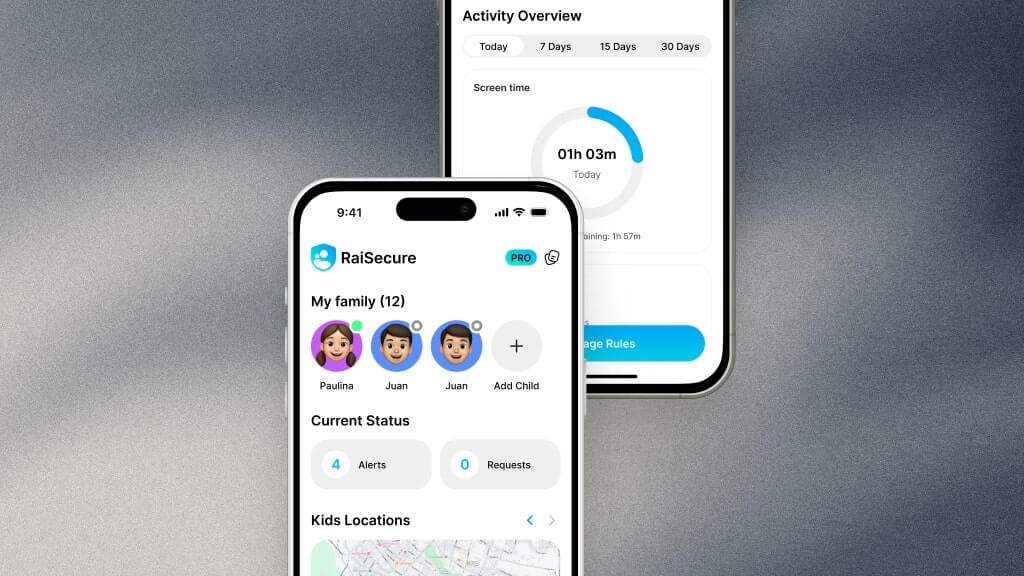
Screen 1/3 — Parent app + usage insights
Related notes
Still researching this service?
Read the highest-intent notes tied to this service, then send context when the risk is clear enough to act.
Agency checklistReact Native agency in Hong Kong: what to checkRead the note →Launch blockedHow to choose a React Native partner when launch is blockedRead the note →Framework choiceReact Native vs Flutter vs Native for HK startupsRead the note →Release blockersReact Native app stuck before release: a rescue checklistRead the note →Rescue or rebuildApp Rescue Sprint vs full mobile app rebuildRead the note →Technical auditReact Native technical audit checklist before a rebuildRead the note →Native riskHow to plan native modules before a React Native buildRead the note →
Service FAQ
Questions buyers usually ask before sending context.
These answers match the service scope on this page. If the app is already blocked or scoped, send the details for a direct risk reply.
Is React Native still a good choice for Hong Kong startups?
Often yes, especially for focused V1s where speed and one shared product team matter. The important caveat is to identify native modules, permissions, SDKs, and store constraints early.
Can you work with Expo apps?
Yes. Stateless works with Expo managed, prebuild, and bare React Native paths. The right workflow depends on native module needs, release ownership, and long-term maintainability.
Do you build native modules?
Scoped native Swift/Kotlin work is part of the lane when a React Native app needs device APIs, SDK integration, background behavior, permissions, or platform-specific fixes.
Can you rescue a blocked React Native app?
Yes. The first step is a risk read or rescue sprint that separates build-chain issues, native module problems, backend mismatch, store risk, and codebase debt.
Service inquiry
Send the useful context for this service.
You’ll get a blunt 24h read on what to build, what to cut, and what could block launch.
Hong Kong-registered · GMT+8 · remote-first · HK workshops by appointment.