You need auth, roles, onboarding, approval, or account flows that buyers will scrutinize.
FINTECH APP DEVELOPMENT • RELEASE RISK • GMT+8
Fintech App Development in Hong Kong
Founder-led fintech mobile delivery for high-trust products where secure flows, roles, release constraints, and native risk need to be planned early.
Send an app link, repo issue, role post, or rough V1 notes. Get a blunt 24h read: build, cut, rescue, or don’t engage.
When to use this
Use fintech app development when trust-sensitive mobile flows need to be scoped before code expands.
This page is for fintech and high-trust teams that need a credible mobile V1, prototype, rescue path, or scoped build where auth, roles, permissions, and release assumptions are visible.
Compliance, release, or stakeholder risk needs to be surfaced before build begins.
A React Native app needs secure mobile UX, native constraints, and store-readiness planning.
You need a credible prototype or V1 for a regulated or high-trust product conversation.
Service detail
Fintech and high-trust mobile risks handled early.
The goal is to make trust-sensitive assumptions explicit before stakeholders treat the app as launch-ready.
Auth, roles, and permissions
Critical access flows are mapped before the app becomes a pile of screens.
- Role-based flows, onboarding, recovery, approval, and failure states.
- Permission prompts, secure storage, biometrics, and sensitive copy.
- Fallback paths when APIs, documents, or verification services are delayed.
Audit-friendly product decisions
The V1 should show how key decisions were made, even before enterprise-grade compliance work exists.
- Clear assumptions for regulated, KYC, payment, or financial-data flows.
- Error and pending states that do not mislead users.
- Decision notes for stakeholders, reviewers, and the next product owner.
Fintech MVP cut list
The first release should keep trust-critical flows and postpone anything that adds operational risk without creating launch signal.
- Keep onboarding, core action, status states, and support paths visible.
- Cut dashboards, advanced reporting, automation, and complex roles when they are not needed for V1 signal.
- Plan native SDKs, secure storage, notifications, and store review before UI polish expands.
What you get
Fintech mobile deliverables focused on trust, edge states, and release discipline.
The work avoids overclaiming compliance while still treating auth, roles, audit-friendly flows, secure storage, permissions, and QA as first-class launch risks.
- Risk map for auth, roles, permissions, and release constraints.
- Mobile UX flows designed around trust and error states.
- React Native implementation with native escalation when needed.
- QA, handover, and release support with documented assumptions.
Delivery path
From trust-risk map to a high-confidence fintech mobile path.
The cadence starts by mapping sensitive flows and assumptions, then builds only the mobile paths that can be explained, tested, and handed over.
01
Trust-risk read
Review the product, flows, and release constraints before making security or compliance promises.
02
Map critical flows
Identify auth, roles, permissions, error states, and sensitive handoffs that affect launch confidence.
03
Build with evidence
Ship demos and decision notes so stakeholders see how trust-sensitive flows are implemented.
04
Release discipline
Prepare QA, store submission, handover, and documented assumptions for the next product owner.
Proof preview
RaiSecure shows high-trust mobile flow discipline under native constraints.
The relevant proof is the way sensitive permissions, background behavior, user roles, and release constraints were made visible before store launch.

RaiSecure
LATAMComplex mobile constraints shipped to store
RaiSecure was a paired parental-control system with two apps, shared backend logic, and native modules for background restrictions and device-control flows. Stateless shipped a store-ready V1 in 6 weeks with weekly demos and clear technical risk management.
Launch window6 weeks
Native depthSwift/Kotlin modules for background behavior and device-control flows.
System shapeParent app + Kid app + shared backend logic
- Permission-sensitive mobile flows planned before implementation
- Parent/kid roles, restrictions, and trust states handled in a dual-app system
- Native background behavior and store-policy constraints surfaced early
- QA and release support documented for handover
“We went from idea to App Store in 6 weeks. The weekly demos killed the uncertainty; I saw the product evolve every Friday.”
More project notes available on request. Some client work is under NDA.
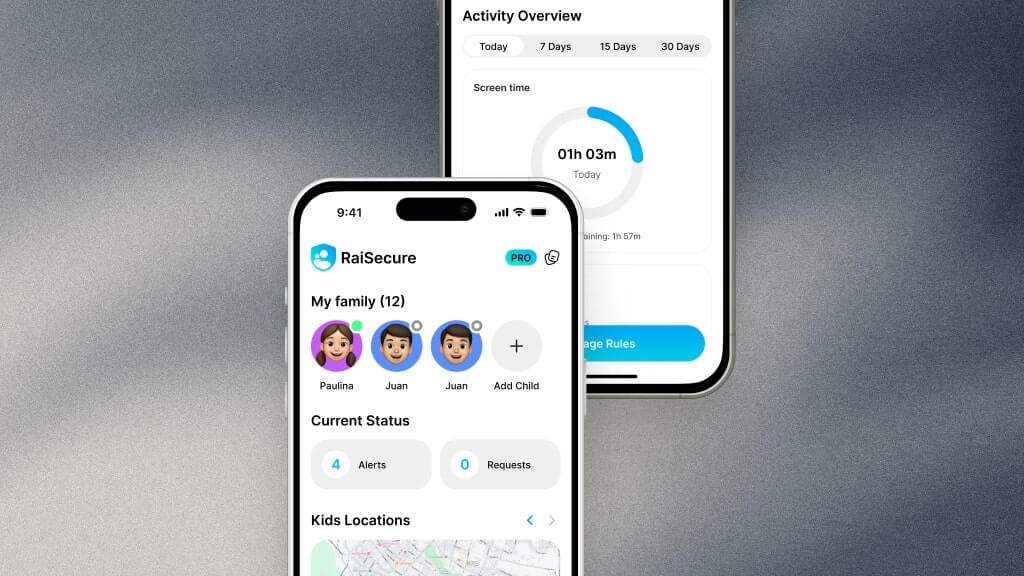
Screen 1/3 — Parent app + usage insights
Related notes
Still researching this service?
Read the highest-intent notes tied to this service, then send context when the risk is clear enough to act.
Secure flowsSecure fintech mobile flows before React NativeRead the note →Launch checklistFintech mobile MVP launch checklistRead the note →Trust flowsKYC, auth, permissions, and audit logs in React Native appsRead the note →Cut scopeWhat to cut from a fintech mobile MVP before launchRead the note →
Service FAQ
Questions buyers usually ask before sending context.
These answers match the service scope on this page. If the app is already blocked or scoped, send the details for a direct risk reply.
Do you provide regulated financial or legal compliance advice?
No. Stateless provides mobile product and engineering delivery. Legal, compliance, licensing, and security certification decisions should stay with qualified specialists and the client team.
Can React Native work for fintech apps?
React Native can work for focused fintech and high-trust mobile products when native constraints, secure storage, SDKs, auth flows, and release policies are scoped early.
What should a fintech MVP cut first?
A fintech MVP should usually cut advanced dashboards, optional automation, broad role matrices, and non-critical reporting before it cuts trust-critical onboarding, status, support, and error flows.
Can you rescue an existing fintech mobile app?
Yes, when the problem is mobile scope, React Native/native risk, release readiness, or trust-sensitive UX. The first step is to map what is blocked and what should be fixed, cut, or rebuilt.
Service inquiry
Send the useful context for this service.
You’ll get a blunt 24h read on what to build, what to cut, and what could block launch.
Hong Kong-registered · GMT+8 · remote-first · HK workshops by appointment.